
Skip to content

Shopping Cart

Your shopping cart is empty

Sort by

487 products

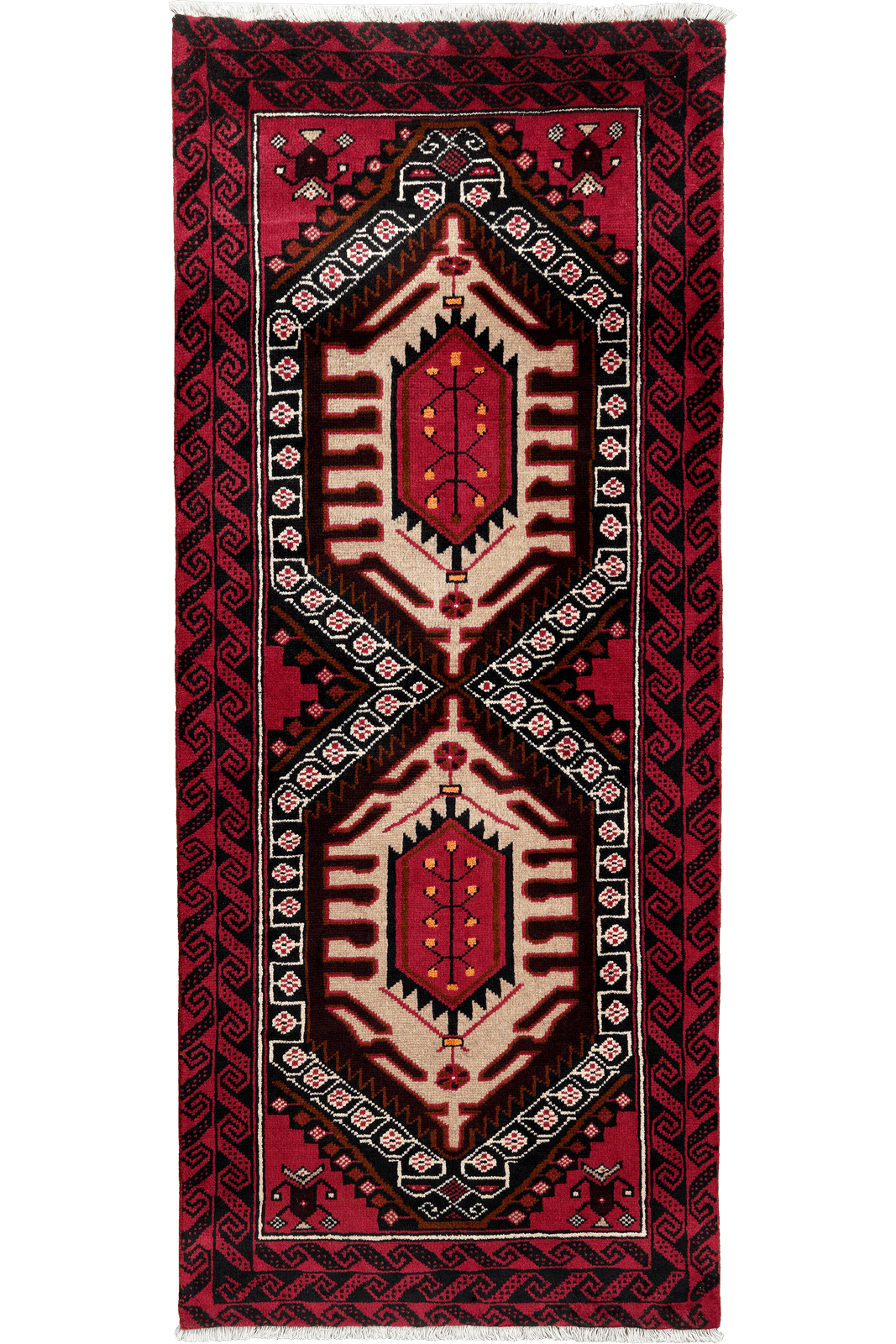
Belutch · Hand-knotted – Multicolour, 201x83 cm
Belutch201 × 83 cm Price€440,00
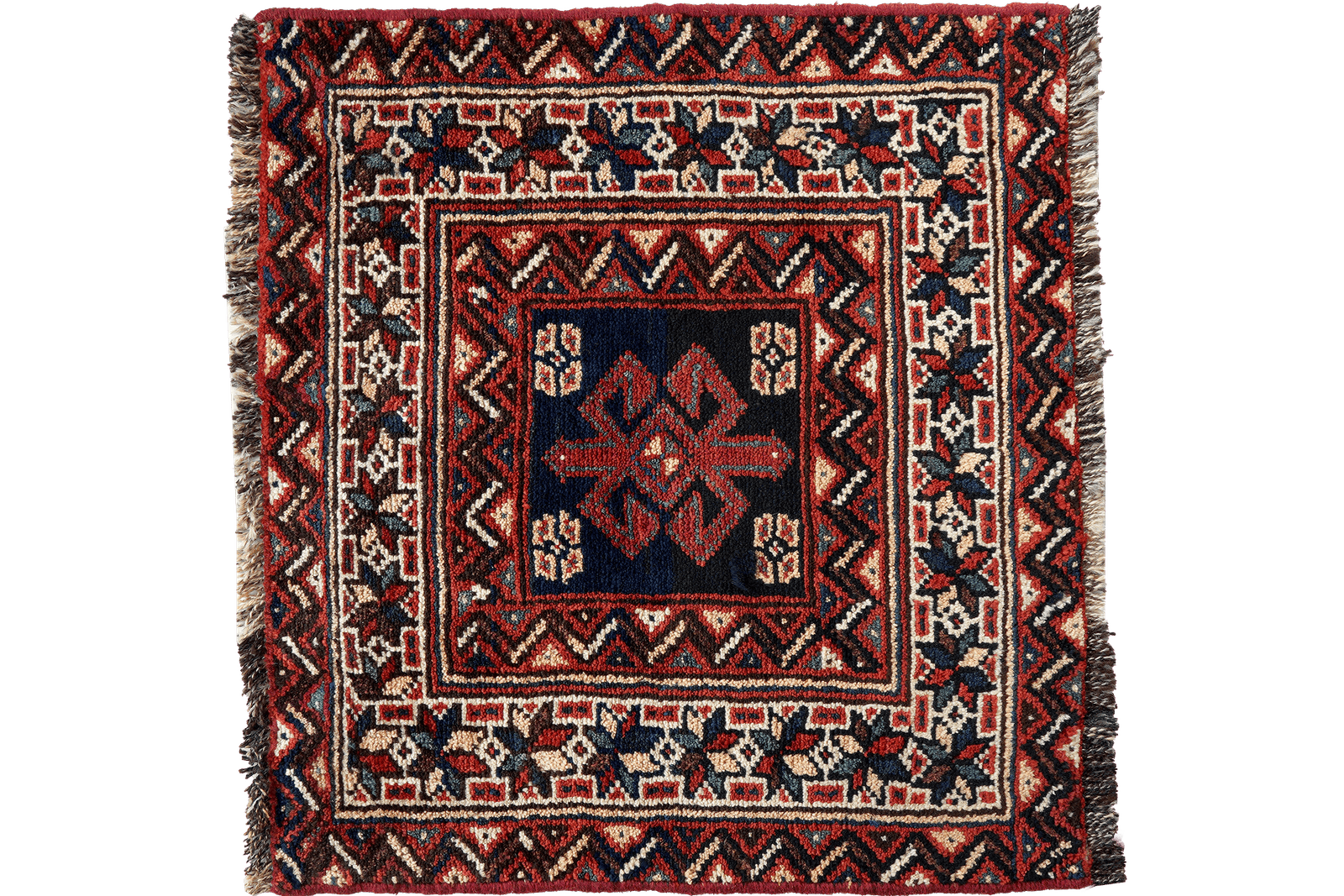
Gashgai · Hand-knotted – Blue, 60x63 cm
Gashgai60 × 63 cm Price€120,00
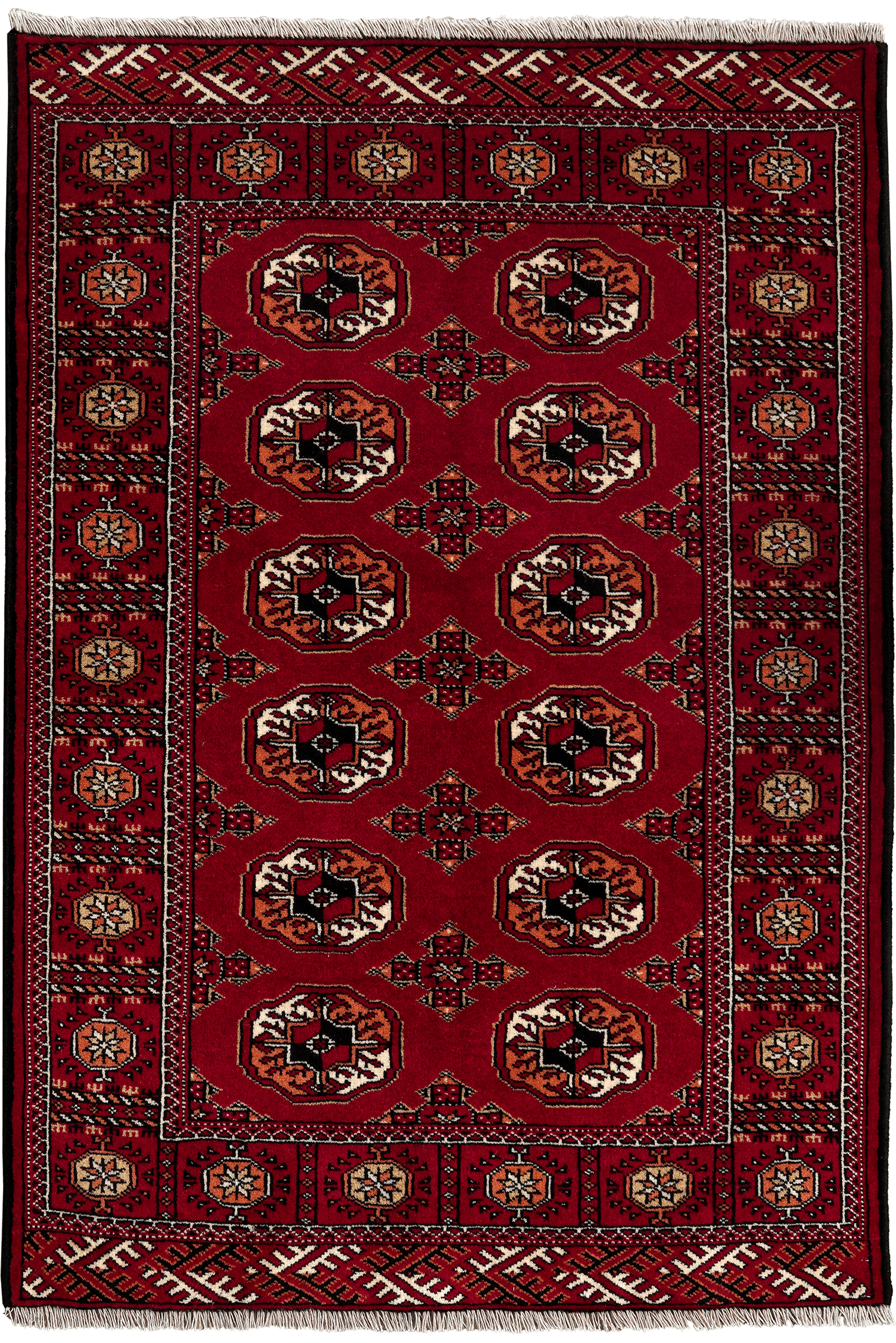
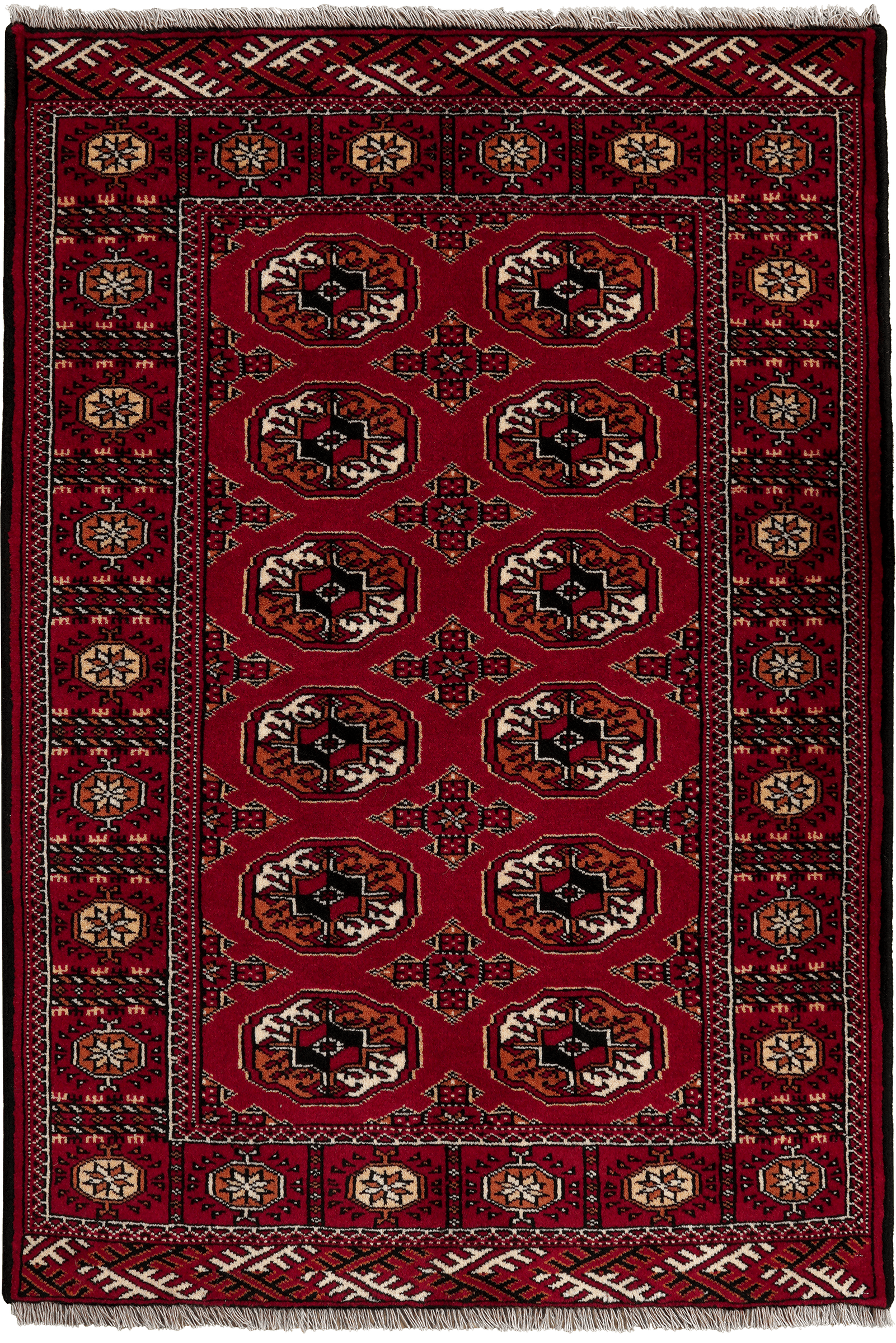
Turkman · Hand-knotted – Red, 148x102 cm
Turkman148 × 102 cm Price€490,00
Shahsavan · Hand-knotted – Blue, 55x109 cm
Shahsavan55 × 109 cm Price€190,00
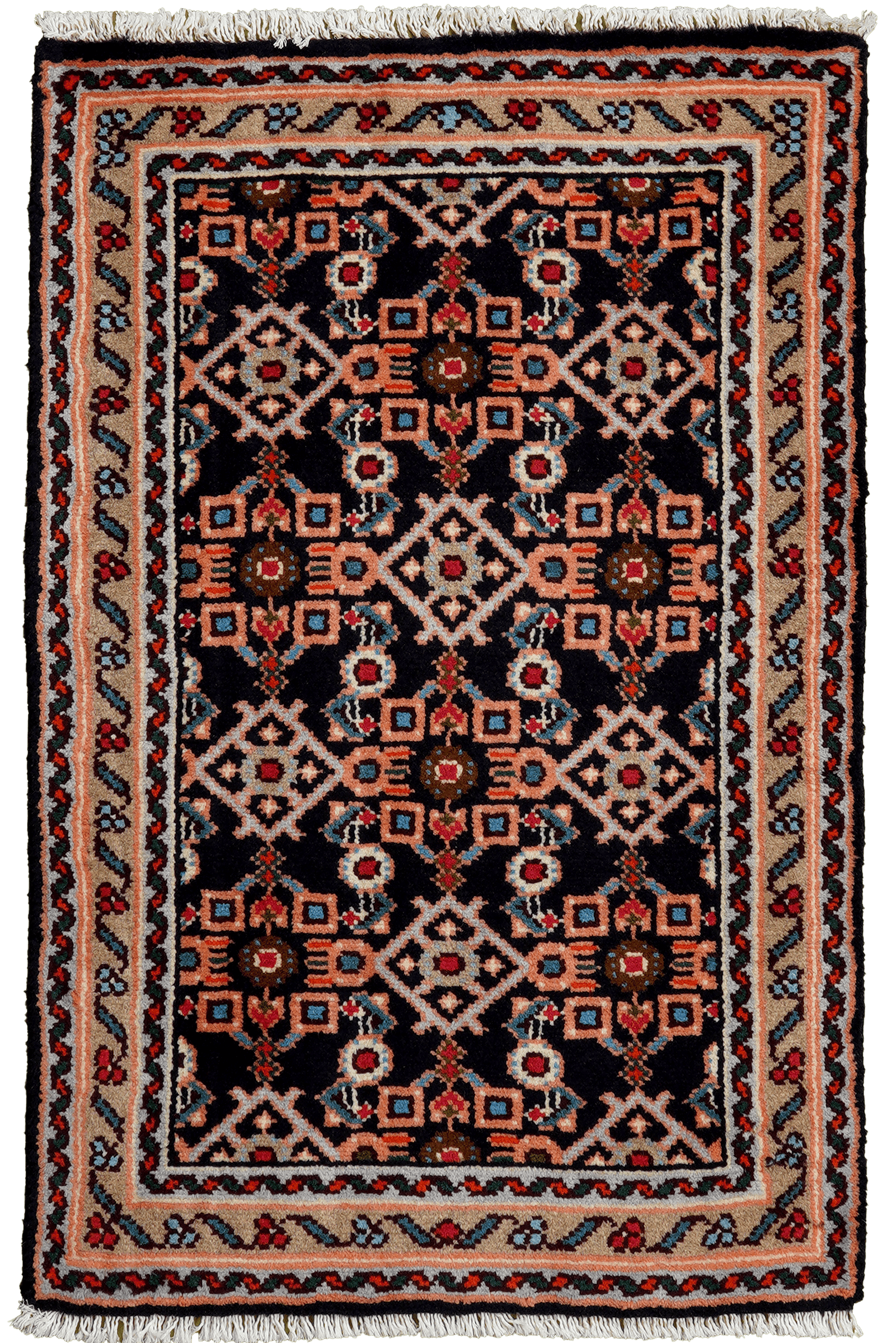
Hamadan · Hand-knotted – Blue, 95x60 cm
Hamadan95 × 60 cm Price€150,00
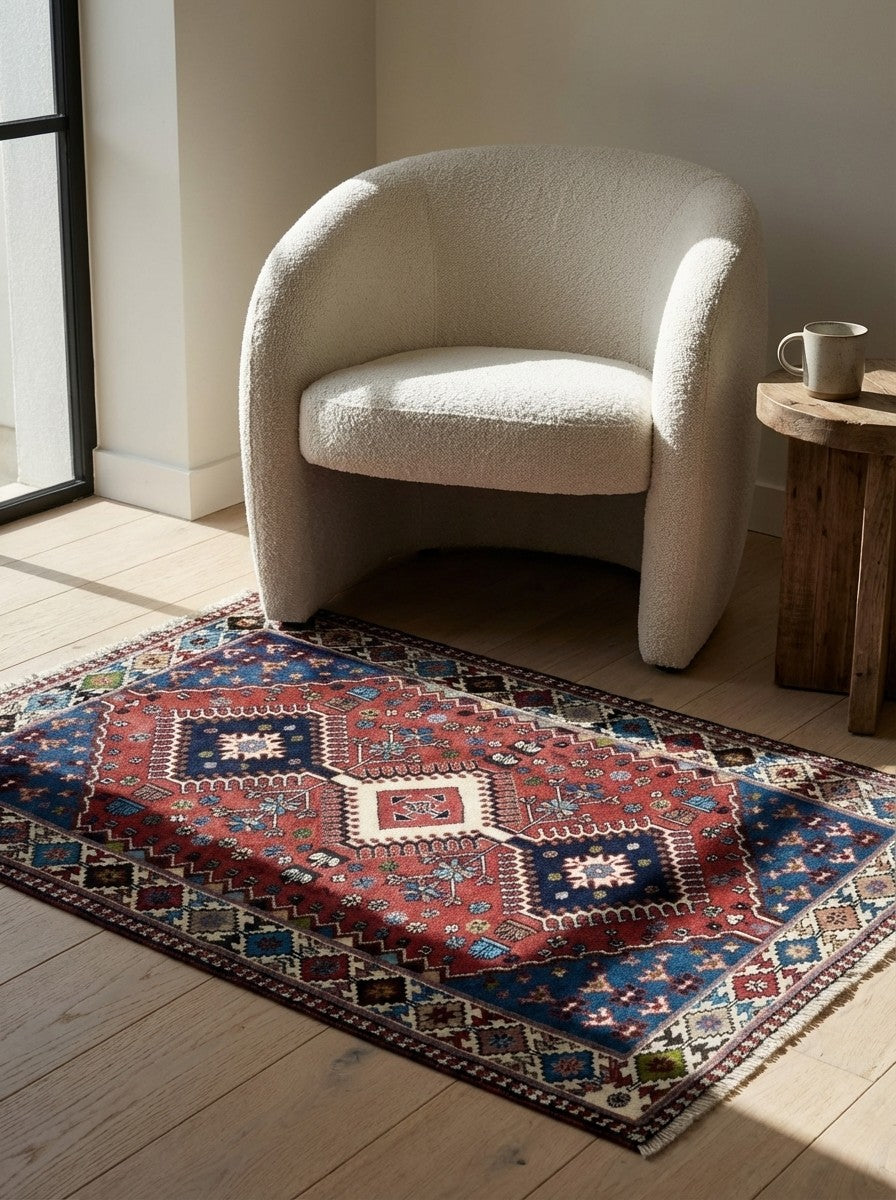
Yalameh · Hand-knotted – Red, 127x83 cm
Yalameh127 × 83 cm Price€470,00
Turkman · Hand-knotted – Red, 145x99 cm
Turkman145 × 99 cm Price€490,00

More about Persian Nomadic and Village Rugs

Nomadic and village rugs are the most original form of Persian rug knotting. The Gashgai, Afshar and Belutch knot their patterns from memory, and the villages around Hamadan, such as Assadabad, each keep their own signature style. The result is strong colours, geometric medallions and a firm pile of hand-spun wool, made for everyday life.

What is a nomadic rug?

A nomadic rug is made on a horizontal loom that a family can take with them between summer and winter pastures. The weaver sits on the part already knotted and works without a design. This is where the small irregularities in shape and pattern come from; they are part of the character and show genuine handwork. The Gashgai in Fars knot rows of diamonds and medallions with the animals of their herds, the Afshar around Kerman an elongated central field with several medallions. Our guides The Gashgai Nomads and Their Weaving and The Zagros Mountains tell more about their lives.

How do village rugs differ from city rugs?

Village rugs carry the signature of their place. Around Hamadan, village follows village, each with its own language of colour and form, sometimes floral, sometimes geometric. City rugs such as Nain or Isfahan, by contrast, follow a drawn design and are knotted much more finely. According to our product data, our nomadic and village rugs usually have 160,000 to 360,000 knots per square metre, with a pile of 7 to 12 mm. Hand-spun wool never takes the dye completely evenly; this Abrash, a subtle play of colour, makes every village rug an honest piece of handwork.

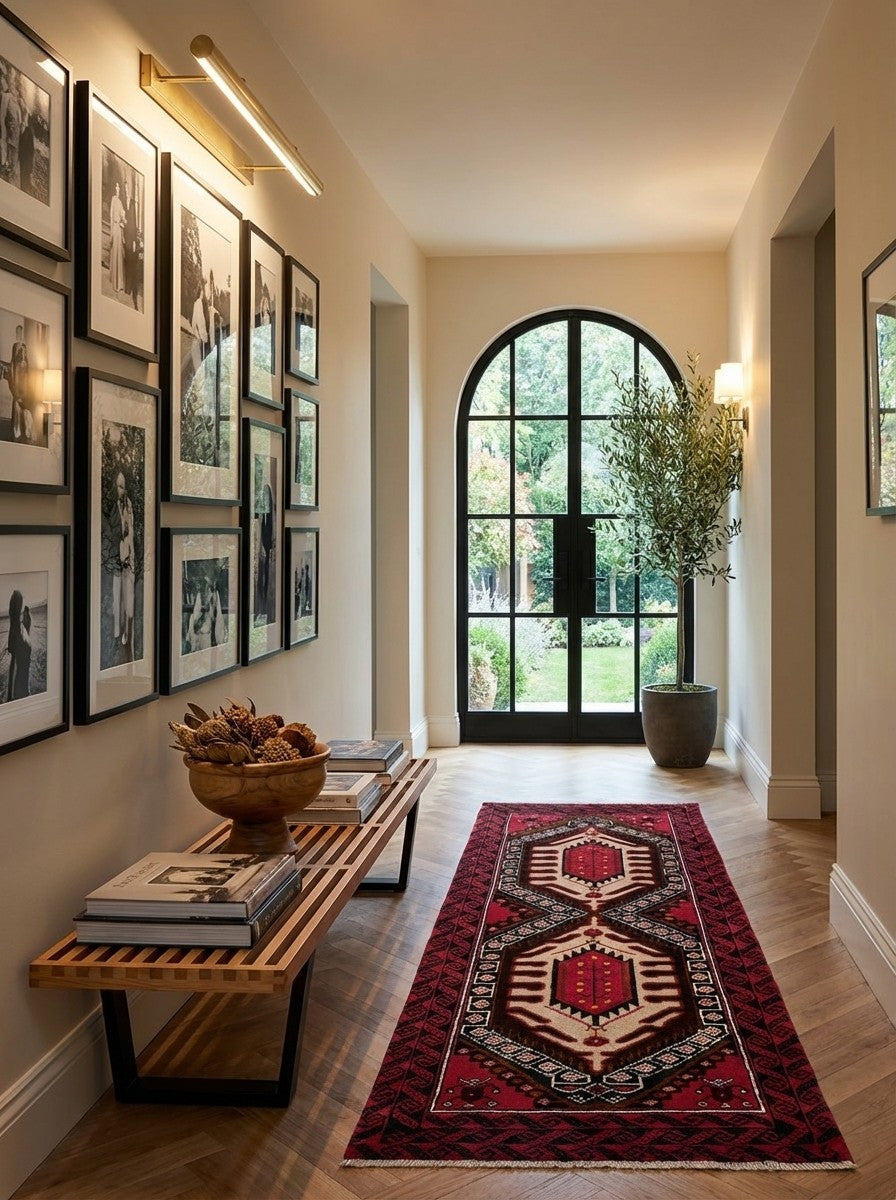
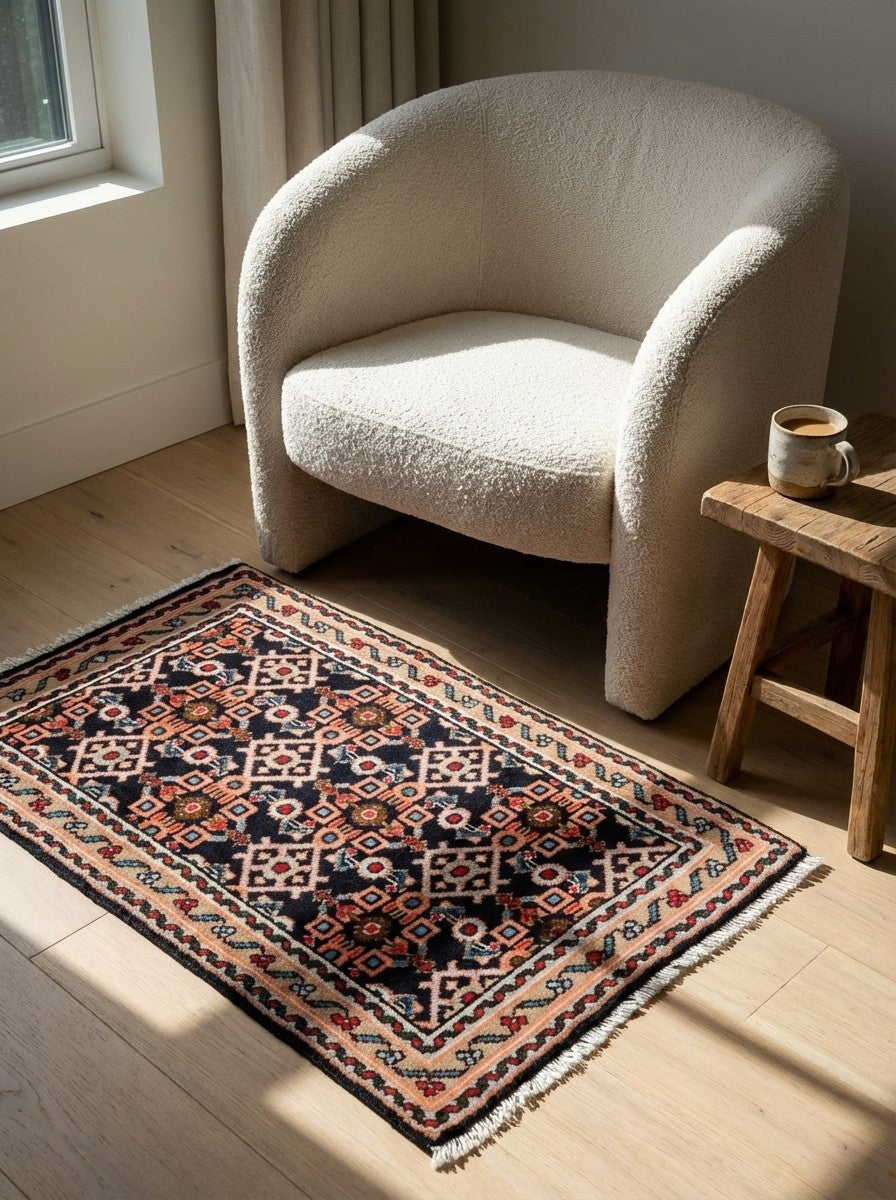
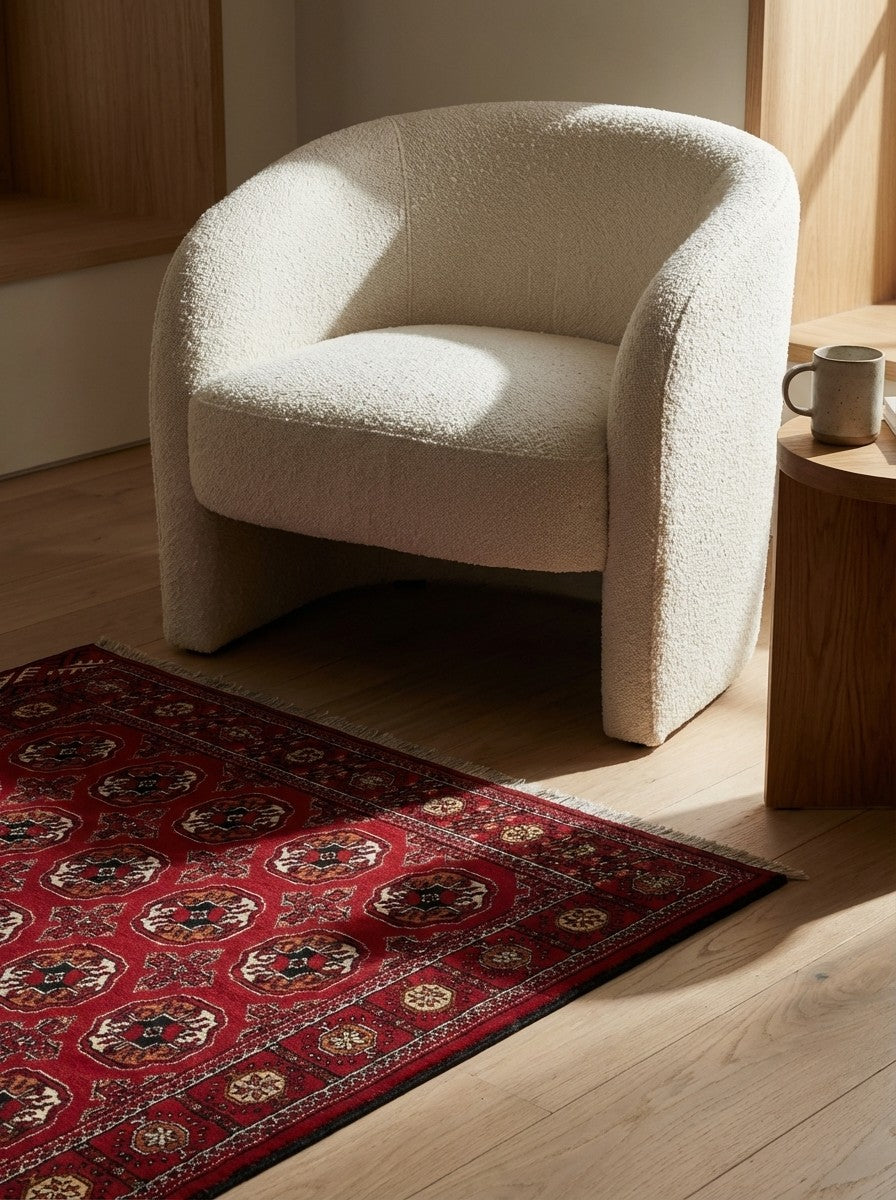
They are robust enough for hallways, living rooms and homes with children. In a hallway, give the rug room to breathe: leave at least a hand’s width to the wall, ideally one to two. Tip: with ‘View in your room’ on the product page, you can use your smartphone to place any rug in your room at full size.

Frequently asked questions about Persian Nomadic and Village Rugs

What are nomadic and village rugs?
Hand-knotted rugs by nomadic tribes such as the Gashgai, Afshar and Belutch, and from villages with their own knotting tradition, for example around Hamadan. Typical features are geometric patterns, strong colours and hand-spun wool.
How do they differ from city rugs?
City rugs follow a drawn design and are more finely knotted and more floral. Nomadic and village rugs are usually made from memory, are bolder in expression and show the hand of their weaver.
Why are the edges sometimes not quite straight?
Many pieces are made on horizontal, portable looms. Slight variations in shape and pattern are therefore typical and a sign of genuine handwork.
Are nomadic rugs suitable for everyday use?
Yes. The firm knotting and sturdy wool make them hard-wearing, even in hallways, living rooms and homes with children or pets.
How do I care for a nomadic rug?
Vacuum gently without sucking in the fringes, and dab stains with cold water. For a deep clean, choose a specialist for hand-knotted rugs.